Rediscovering Harare

Featured

What do you do on a warm, sunny September day, with the azure cloudless sky stretching as far as the eye can see. Unfortunately, COVID-19 is still very much amongst us, the new normal for me and pretty sure everyone else has been to work, study, play and spend the bulk of the day within the confounds of our homes. But it can become draining and dull with all the fun and interesting places being inaccessible due to the lock-down. I needed a break from the new norm, so I decided to reconnect with the city I grew up in, Harare, the capital city of Zimbabwe.

They did not nickname it the ‘Sunshine City’ for nothing. Not trying to brag but Harare has some of the most comfortable weather throughout the year. Apart from the warmest months starting from mid-September to early December with an average temperature of 27 degrees Celsius (80 degrees Fahrenheit). October is the hottest month and July is the coolest. Note, I wrote coolest not coldest and this is what makes Harare so special it is neither too hot nor too cold something that is uncommon for a semi-arid climate.

I live in a suburb in the south of Harare, a 15 minute trip by car to the central business district (CBD) also referred to as downtown Harare. The CBD is normally a hive of activity on any given day but this time around the city centre, to an extent, resembles a ghost town. All I could see were a few masked men and women going about their business. I chose to explore the outskirts of the CBD and visited two historical places namely the Zimbabwe Museum of Human Sciences formerly known as The Queen Elizabeth Museum as well as Kopje (pronounced Koppie) the highest hill in Harare. My trip lasted for about three hours.

My first stop was at the museum, situated in an area referred to as the Civic Centre, it is a stone’s throw away from the Harare City Library and the Zimbabwe College of Music.
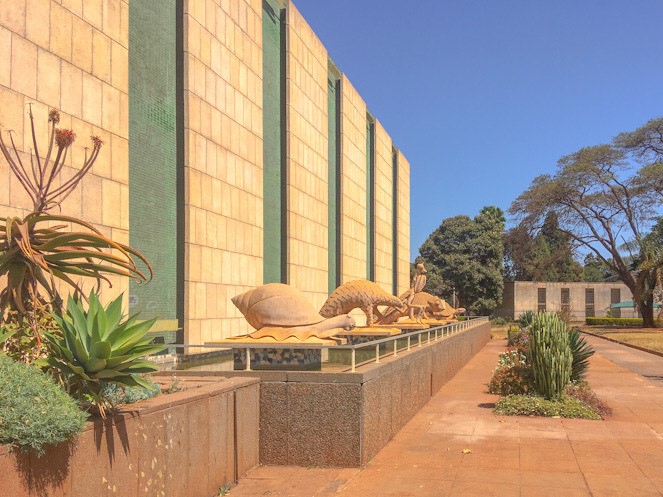
The Zimbabwe Museum of Human Sciences. Established at its current location in 1964.

Why you should visit?

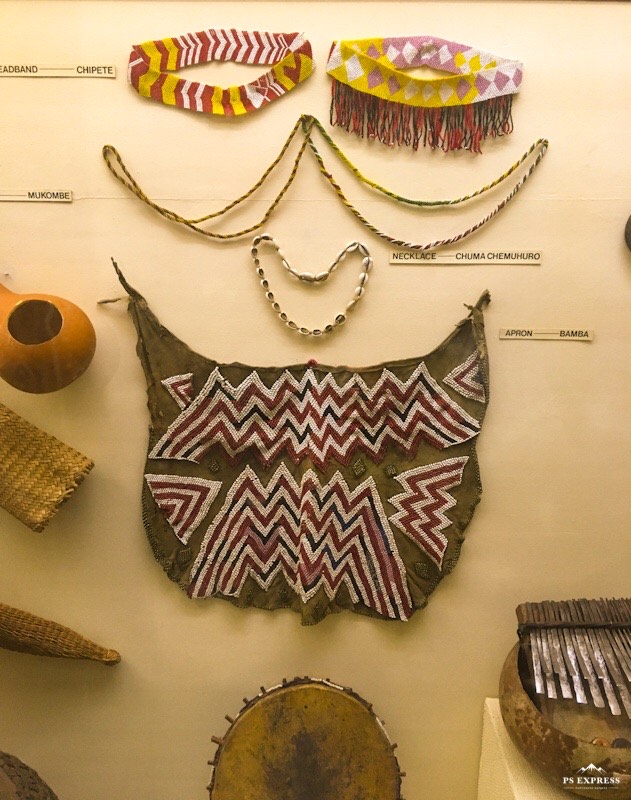
The museum is an archaeological and ethnographical vault of the indigenous Shona people’s way of life during the pre-colonial era. The exhibitions haven’t changed much over the years. It showcases the Stone and Iron Ages era, and there is a sample of a typical Shona traditional homestead, traditional Shona instruments, traditional foods and an open gallery of common flora and fauna in Zimbabwe. As an artist, I find museums to be fascinating as I draw inspiration for concepts and ideas from there.

After a two hour tour of the museum and absorbing as much information as I could, I feel more enlightened and knowledgeable about the Shona’s way of life prior colonisation. However, I would like to highlight that the museum could do with a bit of a ‘facelift’. It should be more interactive with some videos for visitors to watch and maybe reading material in the form of brochures amongst other things. The lighting was bad and even non-existent in some areas and there was no where to sit in the open galleries. With that being said the museum is still a worthwhile visit and its affordable at US$3 for adults and US$1 for children.
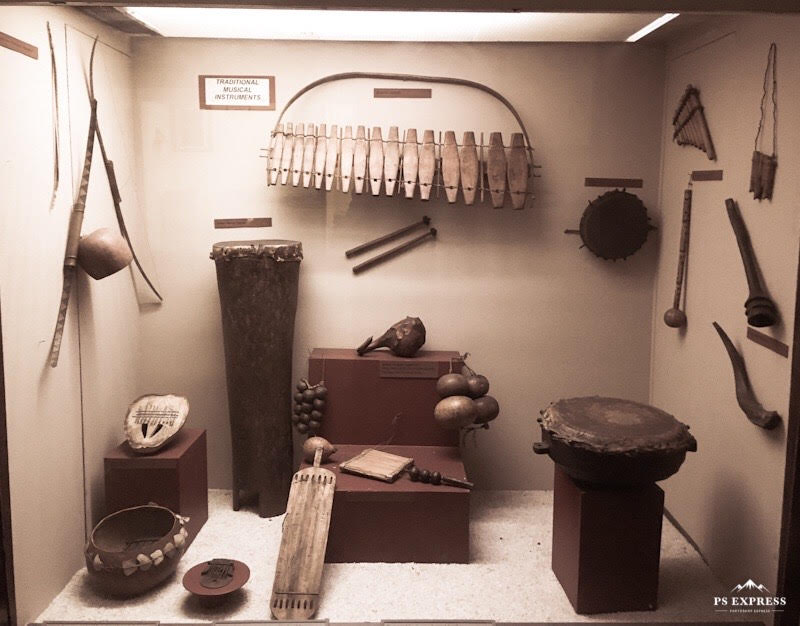
Traditional Shona Instruments
Traditional Shona Accessories and Beadwork

Kopje and Its Historical Significance

My next stop was Kopje, the highest hill with a panoramic view of Harare. The hill is a 15 minute walk from the museum. Prior to being named Kopje (which means small hill in Afrikaans), the place was called Chihoka Hill.
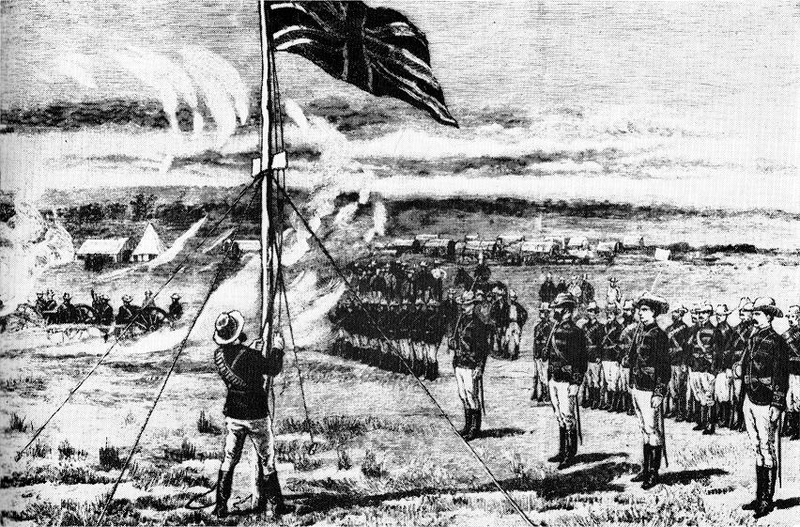
A depiction of The British South African military lifting the Union Jack in 1890

In 1890, the British settlers lifted the Union Jack after they displaced Chief Neharawa who occupied the hill. Neharawa used it as a vantage point for his hunting expeditions. Some sources claim that Chief Mbari lived at the site prior to the colonial occupation whilst Neharawa lived in the modern day Seke area. However, the term Harare is believed to be the corrupted name of Chief NeHARAWA.

The story I grew up hearing from my grandfather was that the origins of the term Harare stems from the Shona word ‘haarare’ a rough translation means ‘he or she does not sleep. Chief Neharawa is believed to have always been prepared for his enemies when they came to attack whether is was daytime or nighttime. When I visit Kopje my grandfather’s story makes sense to me, and in my imagination Neharawa was always prepared for battle because he occupied the vantage point of the area and on a clear blue cloudless sky he would be able to spot anything or anyone approaching. To this day this story is more appealing tome and I am most likely going to pass on that tale to anyone that asks me about the origins of the name Harare.
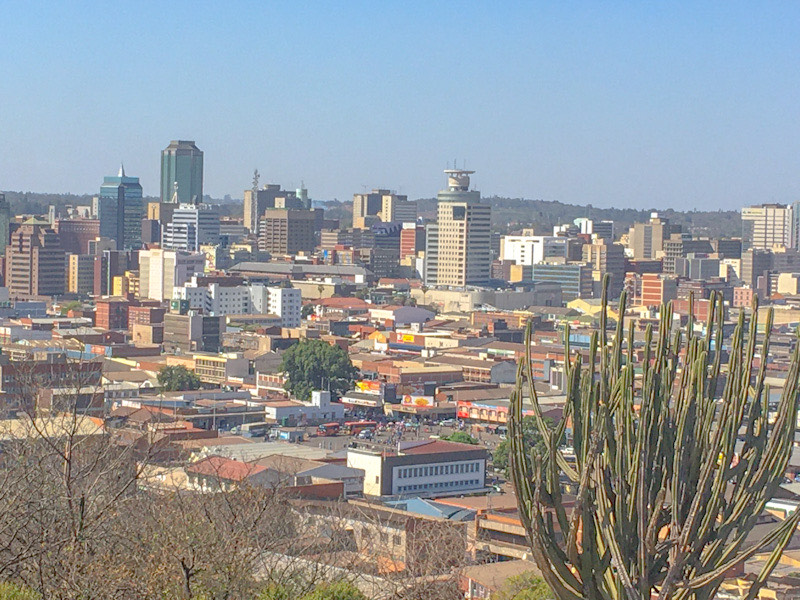
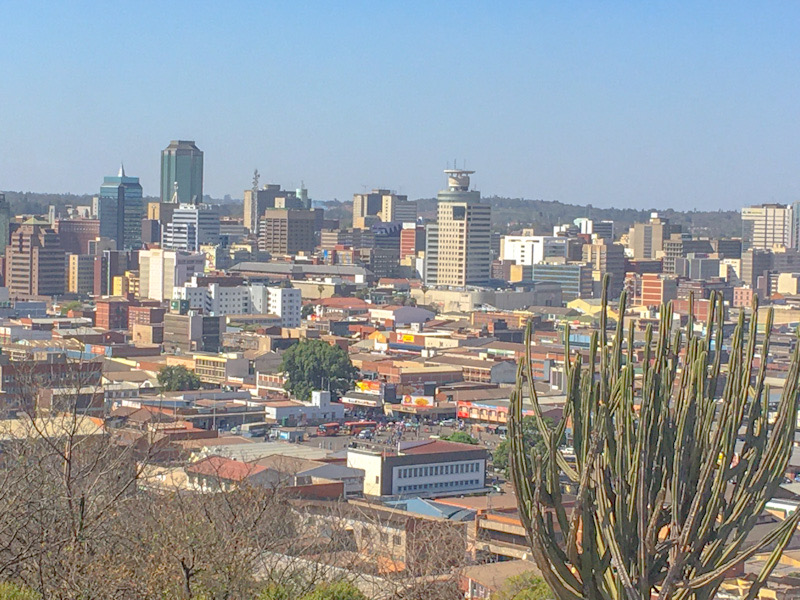
The Panoramic View of Harare

A Brief History of Harare

The capital city of Zimbabwe, Harare is located in the North-Eastern part of the country and is above 1 483 meters above sea-level. The city was established on the 12th of September in 1890 by a military settlers known as the Pioneer Column. This British South African military force was bankrolled by the British businessman and former Prime Minister of the Cape Colony in South Africa, Cecil John Rhodes. Their mission was to colonize the region north of the Limpopo river. Zimbabwe’s colonial name Rhodesia is originated from the name Rhodes.

Initially, the ‘new’ settlement was called Fort Salisbury in honour of the third Marquess of Salisbury, Robert Talbot, Gascoyne-Cecil who was then the British Prime Minister. In 1897, it was upgraded to a municipality and the term Fort was dropped as the settlement had achieved some major developments such as the completion of a railway line in 1899 that linked Salisbury to Port Beira in Mozambique turning the municipality into a mining and trading hub.
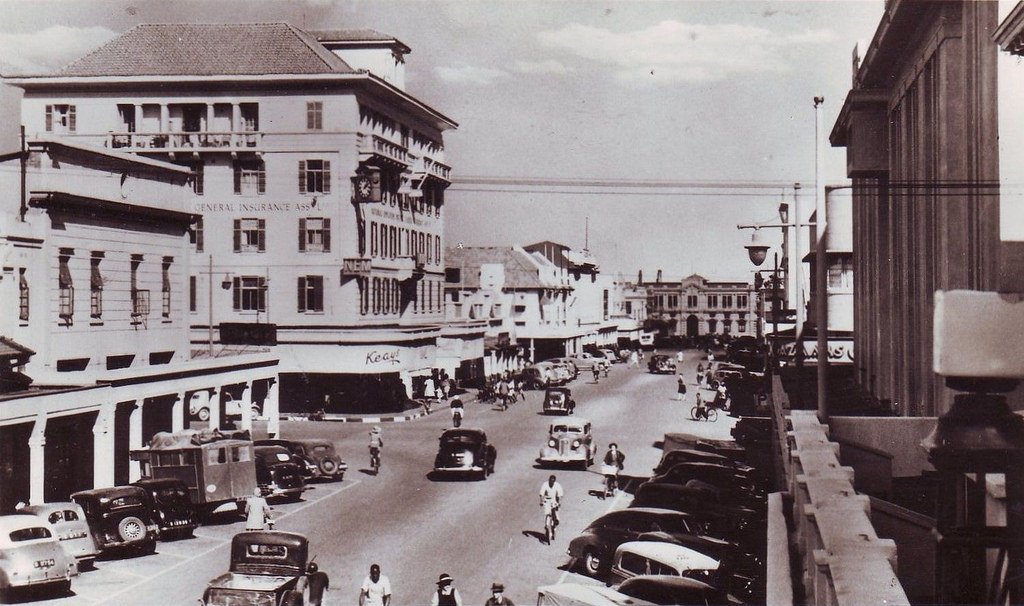
An image of Salisbury from the Tony Wards Collection

Salisbury was officially given city status in 1935. It served as the capital city of the Federation of Rhodesia as well as Federation of Rhodesia and Nyasaland from 1953 to 1963. On the second anniversary of Zimbabwe’s independence on 18 April 1982, the new black majority government in a bid to leave behind the country’s colonial past, officially changed the name to Harare in honour of Chief Neharawa.

Apart from the lovely whether I cannot stop writing about, Harare is a very beautiful and laid-back city. There are also a wide range of site-seeing spots such as the Domboshava Caves or the Heroes Acre Museum (which I intend to visit next month) as well as wildlife and game reserves for adventure lovers like the Mukuvisi Woodlands, historical and monumental landmarks such as the Unity Square and the Botanical Gardens. Those that love Shona sculpture and art can drop in at the Shona Sculpture Gallery in the outskirts of the city and the Harare Art Gallery (in the city centre).

Disclaimer. The depiction of the British South African Military as well as the image of Salisbury from the Tony Ward Collection are not mine. They are only used for informative and not monetary purposes.

For more lovely images of Salisbury and Rhodesia I recommend you visit www.rhodesia.me.uk/salisbury
Ahoy Masvingo

My travel bug had been gnawing at me for days to take a trip somewhere. So I decided to take my first trip within Zimbabwe to Masvingo Province to see the Great Zimbabwe Ruins so that I can gain some much needed insight into Zimbabwean history and culture. I have never embarked on a solo trip as a tourist in Zimbabwe, it is a somewhat an unusual practice most probably because I am a woman and travelling alone is not necessarily frowned upon but not expected. Normally, it is considered ideal to travel with a group or with a partner because its more fun and you create better memories. But as life has it sometimes its not always easy to find like minded people, in addition travelling is more or less regarded a luxury and money is tight especially for those with family responsibilities also not to forget to mention the time constraints. Hence, I travel solo, it is not a big deal for me.

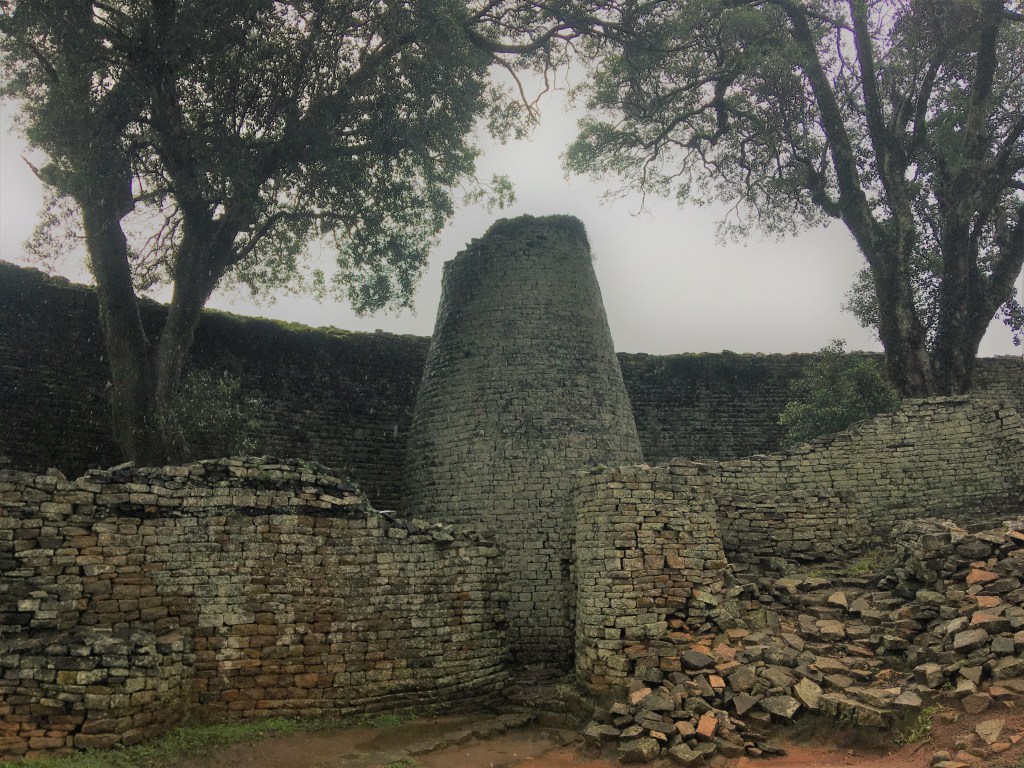
The famous structure from Great Zimbabwe

As I sat down to plan my trip, there came a sad realization that in Zimbabwe the tourism industry does not seem to have packages that cater to individual backpacker style travellers like myself. Most travel packages are geared towards foreign travellers or Zimbabweans based in the diaspora. I fall into this category were I like to travel but I am not in a position to spend a tonne of money on accommodation, food and transportation. However, I am determined and eager enough to formulate my own ‘travel packages’ which I will share with travel enthusiasts like myself.

According to Google Maps, Masvingo is 298km South of Harare the capital city of Zimbabwe. It takes between 4 to 5 hours by road. This is the same route that links Zimbabwe to South Africa through the Beitbridge border post so there is a lot of traffic up and down the highway. At the time of writing this article there are no railway services to and from Masvingo. There is a small airport but there are no commercial flights available.

Anyway back to the point of this blog, I am based in Harare, so I took a bus along Simon Mazorodze Road (or paMbudzi) to Masvingo city centre. Another place to take the bus from Harare is Mbare Musika or the Mbare Market. Mbare has more bus options to choose from but for me it is not a good alternative to catch a bus from because it is a hub of activity with travellers from all over Zimbabwe being picked up and dropped off there. Hence, it is always crowded and congested with people and traffic. During the rainy season it can get pretty messy and muddy so it is just better to avoid going there.

At the Mbudzi terminus the buses do not seem to have a set timetable they take off when they are full. I hopped onto the ZUPCO bus (Zimbabwe United Passengers Company a parastatal bus company) at 1130hrs and we took off around 1240 hrs. ZUPCO is the cheapest option and to an extent they follow road regulations compared to the private bus companies. However, the bus ride was not the smoothest it was quite bumpy due to the potholed and unserviced roads but the beauty of the terrain somehow compensated for this. The lush tall green grass and trees as well as the fat cattle grazing as the bus drove along made me feel at ease. There was a brief stop in Mvurwi about 103km into the journey and passengers purchased refreshments and used the restroom.

By 1700hrs I was in downtown Masvingo. I dropped off at Pick and Pay Supermarket. I decided to pick up a pre-cooked meal, water, snacks and fruits from the grocery store. I had booked my accommodation a week before via the website http://www.booking.com. The Weaver’s Nest was my top pick because it was the most reasonably priced and it had stellar reviews from other travellers. I too, highly recommend the place because the owners are friendly and helpful. As per our arrangement through the website I called the owner when I arrived in Masvingo and he was kind enough to pick me up from the bus stop and drive me to his home. They offered dinner but I was too beat from the journey, I just wanted to clean up and go to bed.

The next day when I woke up and the skies were having a downpour, I know we need the rains more than ever but if you have a trip planned to Great Zimbabwe you will be praying for the rains to go away. Unfortunately my prayers were not answered because it poured the whole day, what did I expect its the rainy season in Zimbabwe after all. But I did not allow that to deter me, I only had a day to do what I had come to do and so I set off into the city centre.

Masvingo city centre was such a huge disappointment. There is no information centre for tourists, no maps are available, no transport specifically targeted for tourists to the ruins. This province harbours a key into our past as Africans, it showcases that there was a huge Southern African Kingdom that was once a hub of trade and commerce for the local people and traders from Europe and Asia. The Shona ancestors were capable of constructing and organising themselves to produce such a beautiful monument yet it is under-marketed and difficult to get to without an organised tour company or ones own vehicle. Considering the amount of effort the colonialists put into diluting the true nature of the site we should be putting that same amount of effort to allow more people from all walks of life and from all over the globe to come and witness this big house of stone. This is a UNESCO World Heritage and it is as important as the pyramids of Egypt or the Great Wall of China.

So when I arrived at Pick and Pay Bus stop I made a brief inquiry on how I could get to the Great Zimbabwe Ruins. The puzzled but very ‘helpful’ local tout advised me to take a kombi to Morgenstar Growth Point and he asked the driver to drop me off on the opposite side of the Great Zimbabwe main entrance. Masvingo City Centre is about 12km away from the ruins. There were no signs along the road to inform me on which direction the ruins are in.

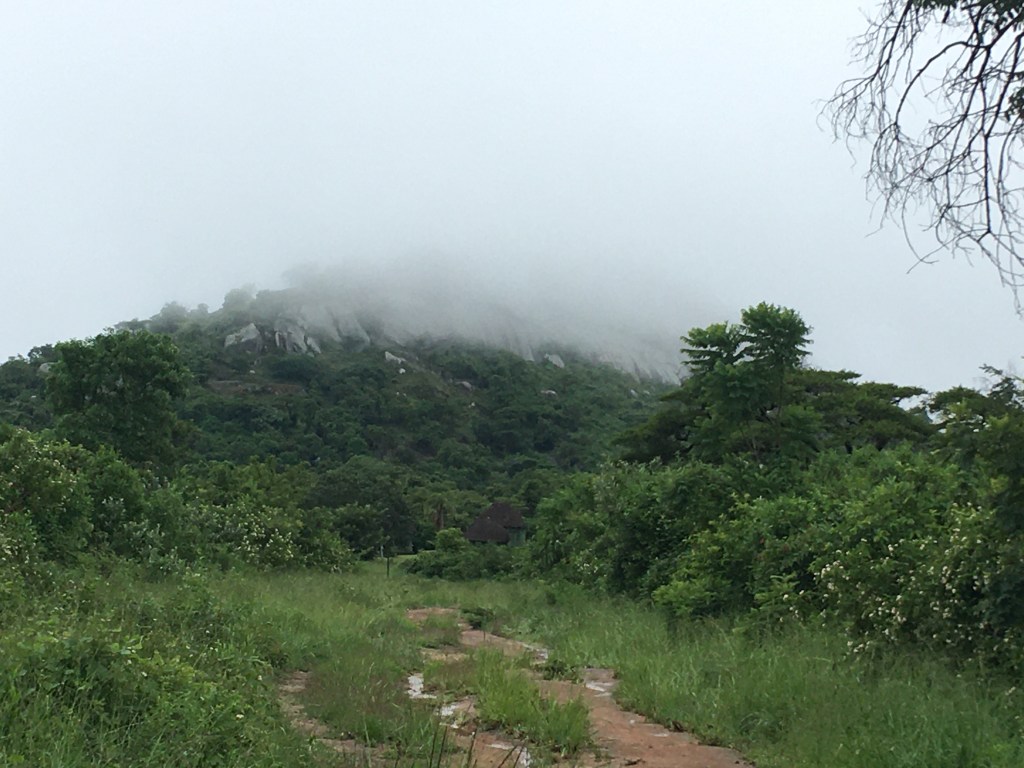
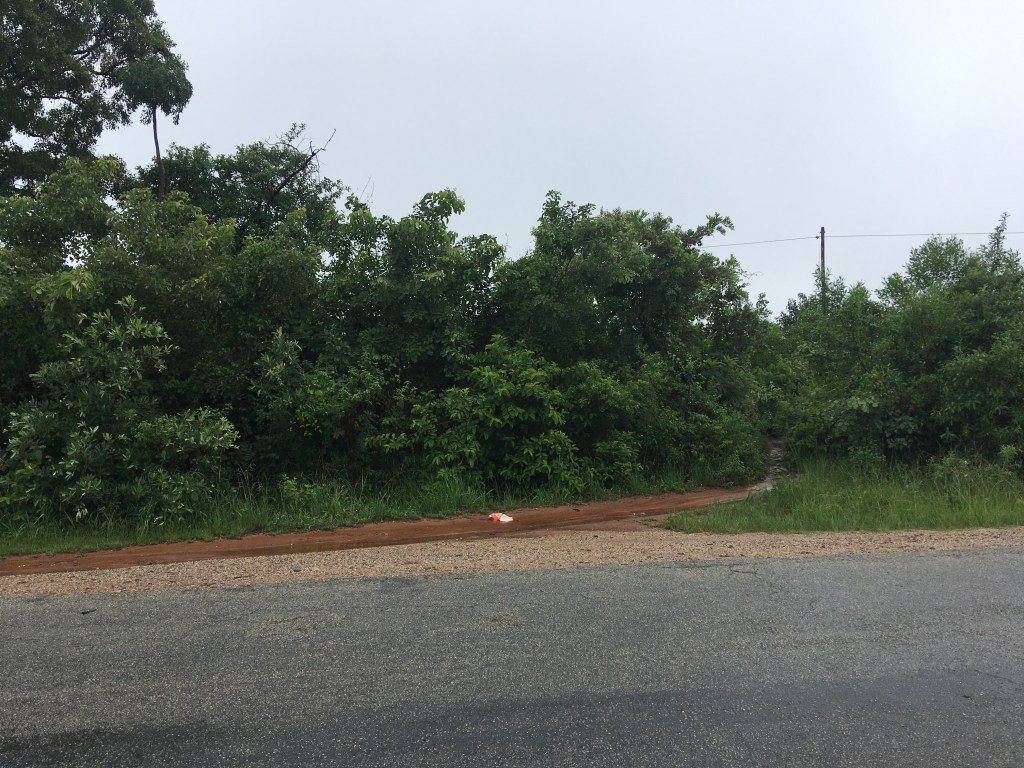
When the driver dropped me off he pointed me to a path that led into a bushy area. I stood by the road side for 10 good minutes contemplating if I should walk through this vegetation that might be a habitat for God-knows what creatures. Although I like adventure, a good part of me wanted to make a U-turn and look for the Great Zimbabwe Hotel entrance but I figured it was already noon and it would probably take a while to get to the hotel’s main gate. I said a silent prayer and thought my spirit had guided me thus far it wouldn’t let me down now. So with the courage of a thousand men I walked into the bush. I walked for a good 10 minutes in complete silence with my eyes and ears on hyper alert in case some wild animal came charging at me. To my relief I came across some homesteads and asked for more directions until I reached the Great Zimbabwe Ruins main entrance.

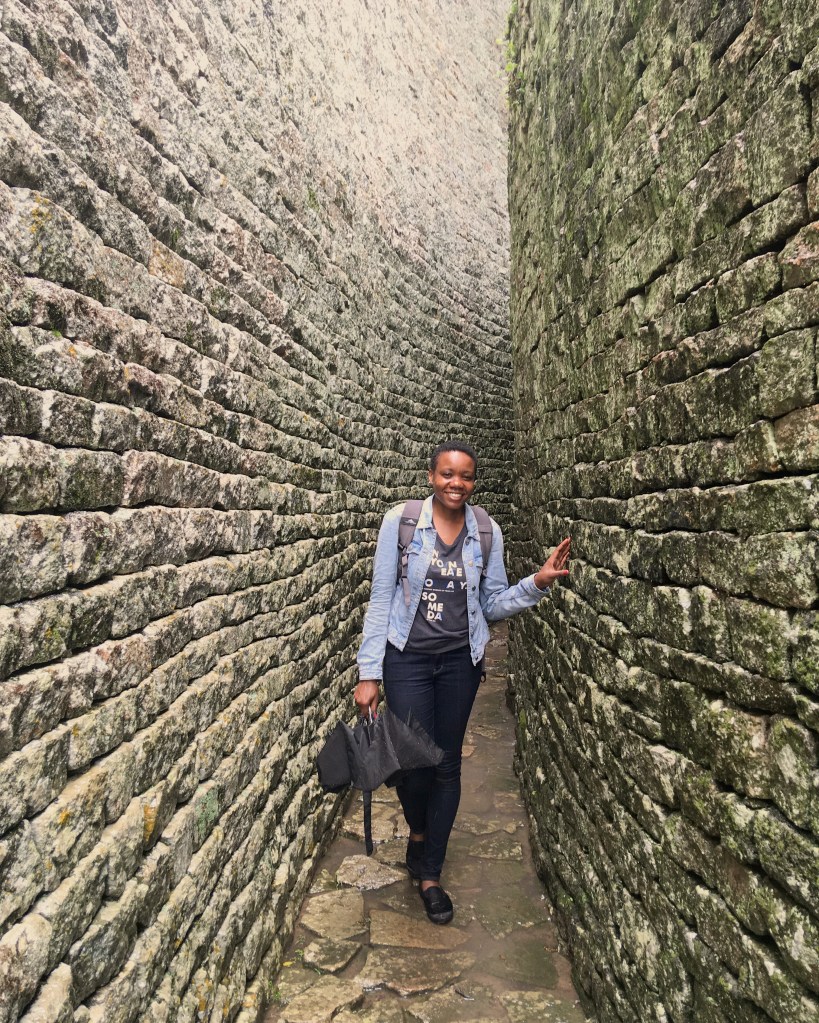
I was fortunate enough to get a young and eager archaeologist intern to guide me around the site. In spite of the rain his spirits were very high and he had all the information at the tip of his fingers. The tour lasted about 3 hours. I genuinely enjoyed every second of the tour taking pictures , asking questions and just absorbing in these phenomenal structures and the extraordinary history. I felt a sense of pride for what the people of that period were able to achieve with the resources and knowledge they had at the time.

After the tour I decided to use the Great Zimbabwe Hotel exit which I wish I had used before. Its a good 20 minute walk to the junction were I got the shika-shika or small taxi back to the Masvingo City Centre. I made my way back to the accommodation with so many questions swimming in my heard about what I had seen and the whole experience at the ruins. The last day of the trip, my accommodators drove me back to the city centre. From there I took a bus back to Harare. My trip was over and I felt so proud of myself for having taken this journey by myself.

So to summarise the cost of the trip for 2 nights stay in Masvingo.

  • From Harare to Masvingo RTGS 60.00 US$ 4.00
  • Masvingo Pick and Pay to Great Zimbabwe RTGS 10.00 US$ 0.50
  • Great Zimbabwe to City Centre RTGS 10.00 US$ 0.50
  • Masvingo back to Harare RTGS112.00 US$ 6.00
  • Accommodation 2 nights Weaver’s Nest RTGS484.50 US$25.50
  • *Great Zimbabwe Entrance fee RTGS 55.00 US$ 3.00
  • Food RTGS200.00 US$10.50
  • TOTAL RTGS931.00 US$50.00

Note the entrance fees for non-Zimbabwean residents is different to that of the locals.

In conclusion the trip was not as expensive as I had imagined. In total it cost US$50. This excludes other costs like the Shona Sculpture stones I purchased, airtime for calling et cetera. It is also very safe to travel alone to Masvingo. The people are friendly and are willing to provide the information they have with visitors. I recommend the trip to anyone with an interest in Zimbabwean history, traditions and culture. If you have been or are planning to go to Masvingo please leave your comments below and share your views about your trip.

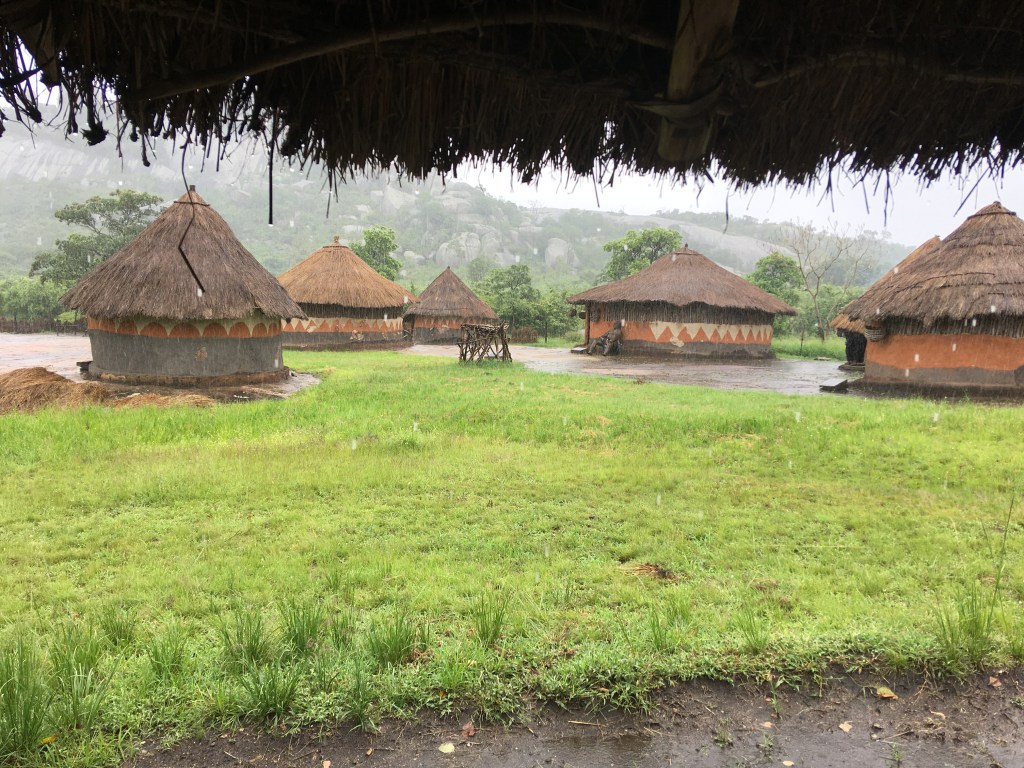
Hiding from the rain in a hut in the Shona Village
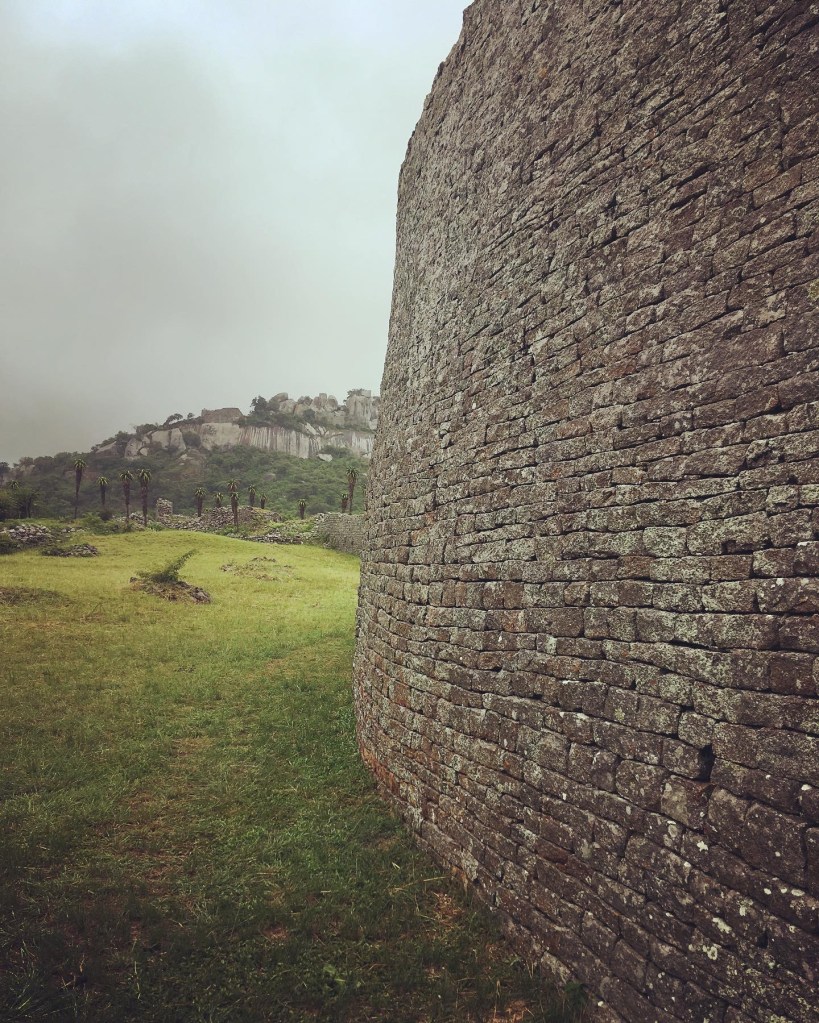
A section of the Great Enclosure
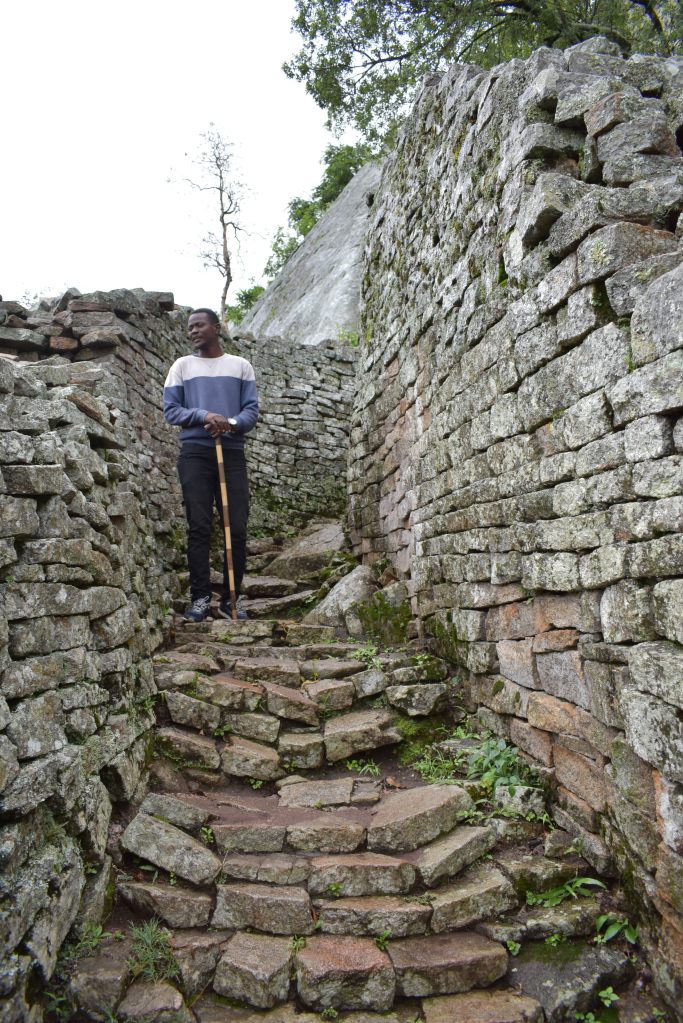
My tour guide taking me up to the Hill Enclosure and explaining in detail about how the Shona people constructed the Great monument
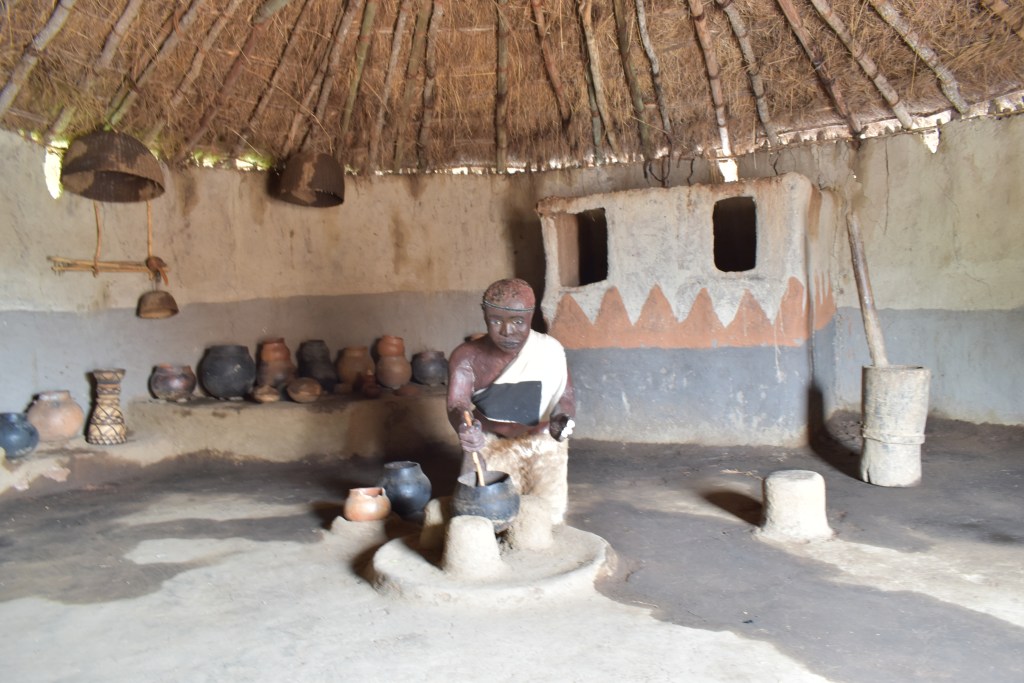
A sample of how the Shona lived during the height of Great Zimbabwe
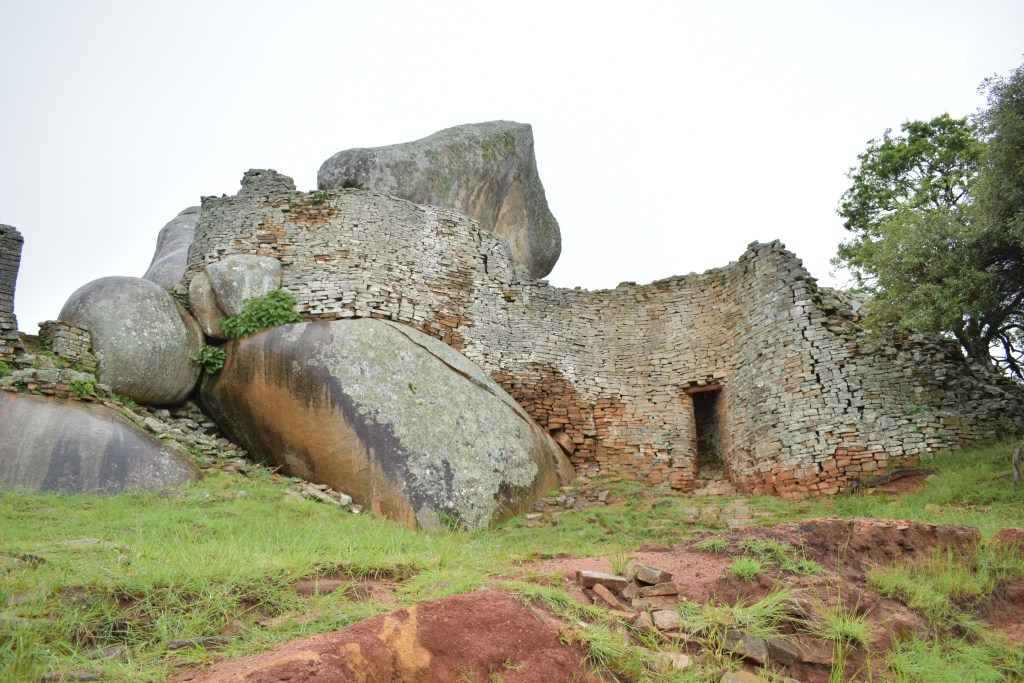
A section of the hill complex